Hey bestie, welcome back to our little corner of the internet! Look, I know The Prisoner of Beauty (折腰) has technically finished airing, but let’s be real—did it really finish if Xiao Qiao is still operating on pure, unadulterated dopamine overdrive in our brains?! We are doing a full, unfiltered, zero-restraint vault inspection today. Since you’ve finished the whole masterpiece, we can have a proper, respectful (but totally candid) retrospective.
And the main reason? Song Zuer’s performance as Xiao Qiao (Manman).
Look, I refuse to spare this show from constructive roasts when needed (the pacing? Girl, don’t even get me started, let’s spill all the tea…), but Song Zuer’s performance was an intellectual, observant, and perceptible acting masterclass. This wasn’t just a role; this was a defining historical C-drama era.
Let’s talk about the exact three reasons her subtle, sharp, and sophisticated portrayal left me completely captivated and why Xiao Qiao (Manman) remains an all-time strategic icon.
1. Her Micro-Expression Game Was Legitimate LEGENDARY Mastery.
LISTEN TO ME SCREAM: You know I am an absolute micro-expression enthusiast. When my analytical brain turns on I will pause a frame 15 times just to analyze a half-second shift in gaze or a jaw twitch (okay, I’m exaggerating but you get the point)…Song Zuer gave my brain a full Michelin-star feast! This wasn’t just a performance; this was intelligent, sharp-eyed, and fascinating acting.
Xiao Qiao is placed in an impossibly high-stakes, terrifying political trap: forced to marry the man (Liu Yuning’s Wei Shao) whose family holds a blood-soaked, generational grudge against her clan. Every day in the Wei household is a psychological standoff. What Song Zuer mastered was the subtle art of the mask.
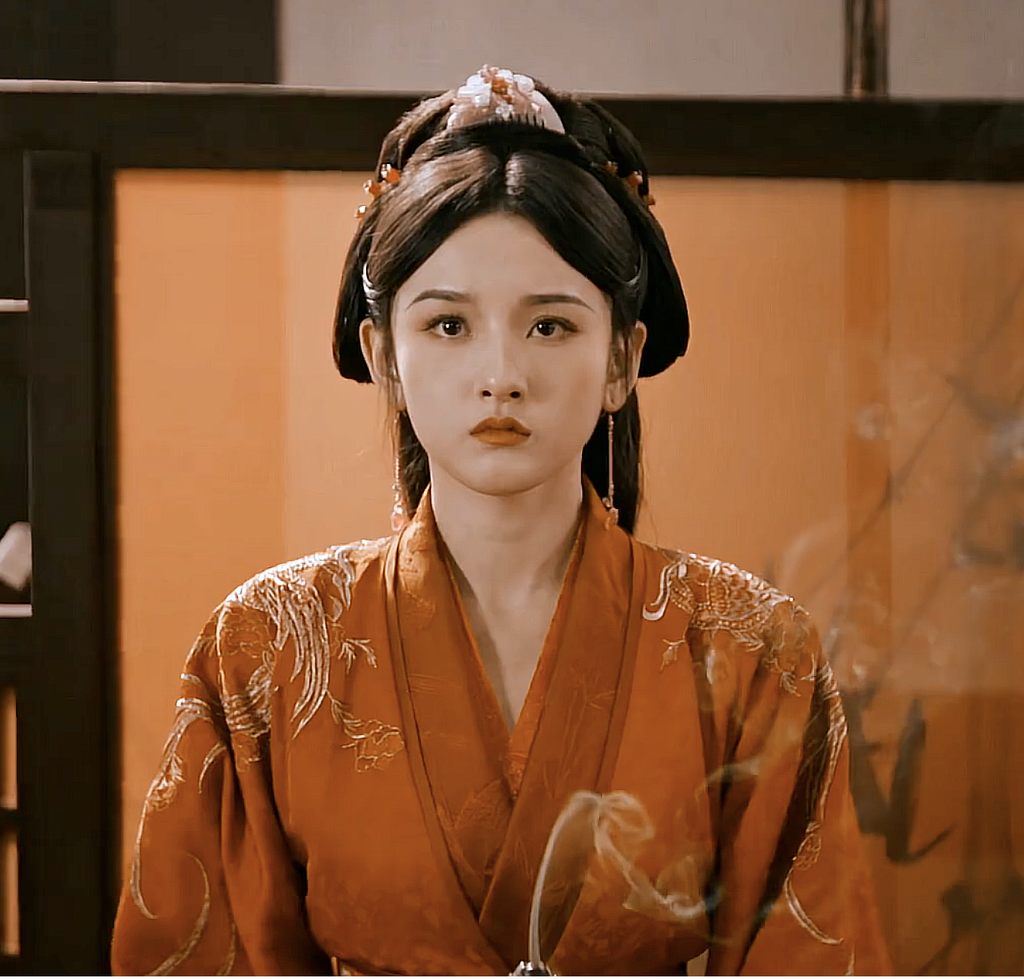
We saw her wear that ethereal, soft, polite “dutiful bride” mask publically, while her calculating eyes measured every single threat, assessed political leverage, and assessed every escape route. But the moments that snatched me up were when the mask crackled. The transition from deferential bride to cold, sharp, calculating inner monologue the second the doors closed? CHEF’S KISS. The subtle twitch of her lip when Wei Shao tried to intimidate her, paired with that flicker of utter fear that she instantly smothers under a layer of pure steel?! That isn’t just delivering lines; that is communicating a complex, terrifying inner monologue with your entire being! She acted with her whole face, and I enjoyed every bit of watching it!
2. She Made “Political Strategist” Feel Grounded, Vulnerable, and Real.
Look, we’ve all seen the “genius strategist” historical female leads who seem to have superpowers, relying on everyone else suddenly becoming incompetent so they can look smart. This show did not do that, and Song Zuer elevated that material with incredibly observant acting.
Xiao Qiao’s intelligence isn’t some abstract plot device; it’s born from survival instinct and deep, fierce empathy for the people. When she stepped up to manage regional logistics or navigate complex clan alliances, she wasn’t some untouchable genius. Song Zuer brought a practical, bone-deep weight to Xiao Qiao’s brilliance.
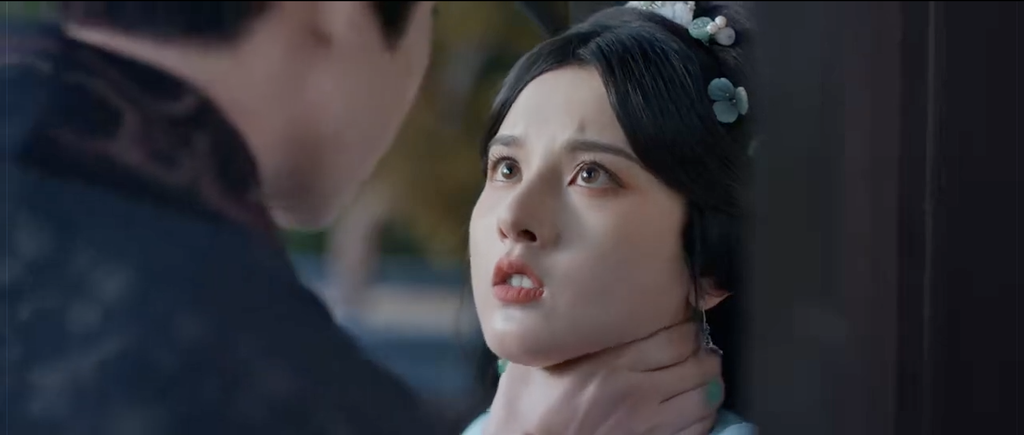
You saw the physical toll it took. You saw the exhaustion in her posture, the tension in her hands, and the quiet determination in her eyes. She balanced high-level political survival with genuine vulnerability. Her strategic victories weren’t triumphant moments of arrogance; they were necessary moments of defensive maneuvering. Song Zuer grounds that brilliance so deeply that every time Xiao Qiao won a political standoff, you want to stand on your bed (or couch) and cheer out loud because you felt how much it cost her. This was thoughtful, balanced, and protective character building at its absolute peak!
3. The Screen-Melting Emotional Chemistry She Builds Out of Pure. Unfiltered. Tension.
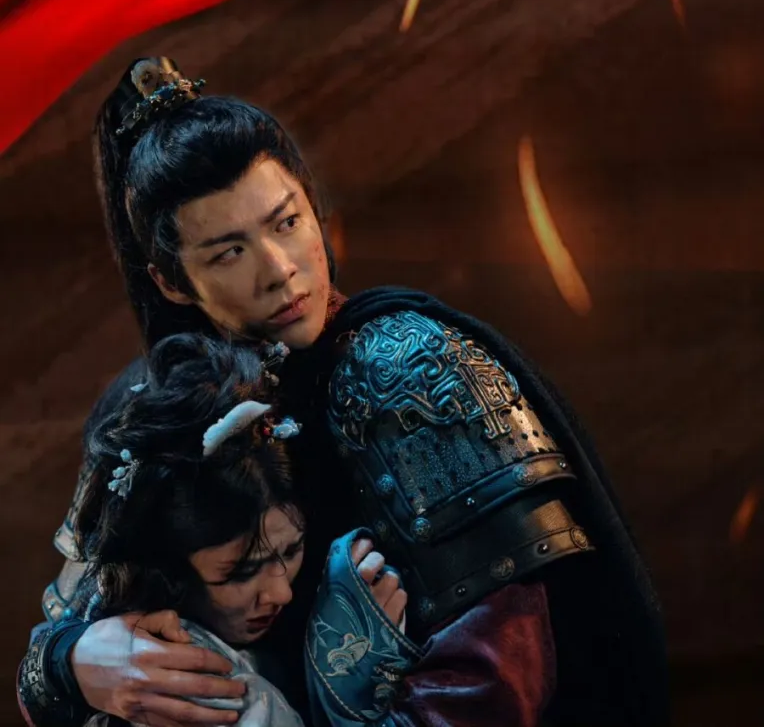
My romantic standards remain in the stratosphere! Can we talk about how they generated an entire emotional inferno out of heavy-lidded eye contact, lingering silences, and defensive barriers?! Because this enemies-to-lovers tango should legally be classified as a weapon!
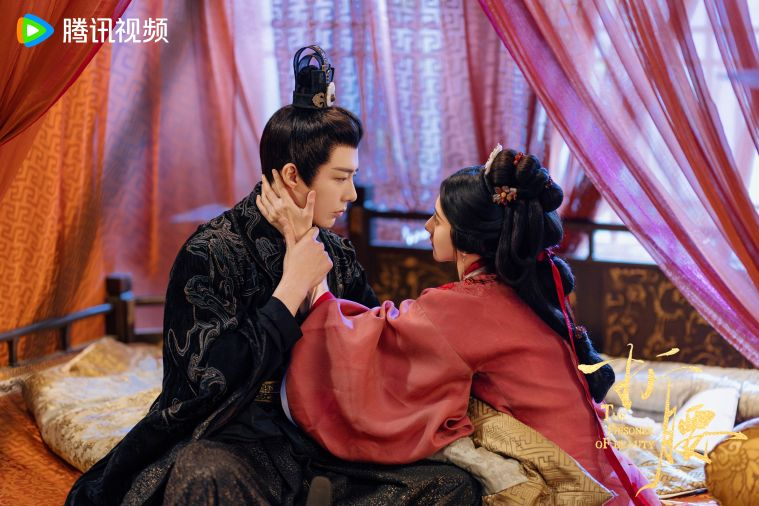
Wei Shao (Liu Yuning) is initially terrifying—full of flexed wealth, high-octane rage, and high-budget chaos. And Song Zuer’s emotional intelligence in navigating that is everything. She doesn’t cower in constant, helpless tears (which would be boring), but she also doesn’t engage in foolish, unrealistic defiance just for drama’s sake.
Instead, she weaponizes her quiet grace. The way she tilts her chin upward when he steps into her space, the slow, deliberate breath she takes before countering his gruff demands, and the way her gaze softens when she begins to catch glimpses of his underlying trauma—it creates a dynamic where every single conversation feels like an emotional standoff. Song Zuer makes us live through every single layer of mistrust, fear, and reluctant admiration that comes before the vulnerability. When they finally drop their armor and trust each other, the emotional payoff hits like a high-speed freight train because she made us live through every moment of that icy psychological tango first!
The Verdict? An Absolute Hall of Fame Icon.
The Prisoner of Beauty is officially entry into my low-stress, healing, blanket-fort drama hall of fame. It was soothing, welcoming, reflective, and encouraging—exactly what my analytical brain needed.
Song Zuer didn’t just play a character; she delivered an intelligent, observant, witty, and perceptible masterclass in acting. She balanced high-stakes drama with brilliant, candid humor, and made me want to start my rewatch immediately! Her performance was respectful, passionate, and engaging from the first frame to the last.
Okay bestie, spill the tea in the comments fort! Since you’ve finished the whole thing, which of these reasons was the strongest for you during the entire arc? Were you, like me, screaming at your screen at ungodly hours about her micro-expressions? Do you have any favorite theories about that ending, or should we just get another iced coffee and immediately start the rewatch?!
Until next time, keep your subtitles on and your romantic standards sky-high!